
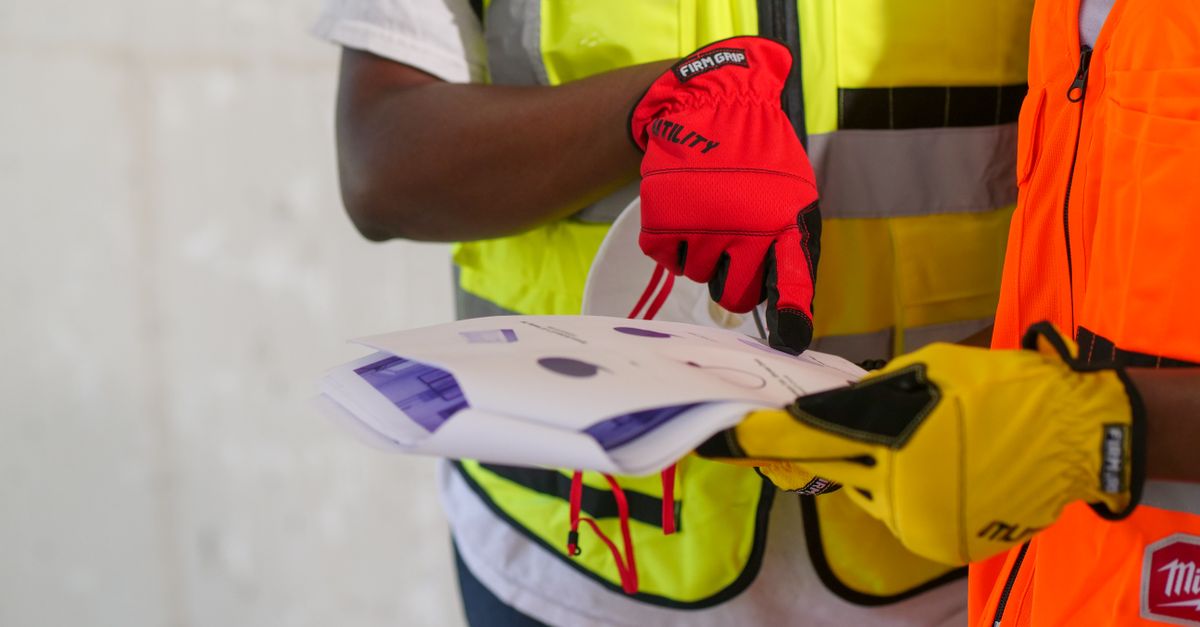
Walk any jobsite and you will hear it: the running jokes, the porta-john stories, the guy showing off a tool hack he rigged when his drill died. Owners tend to tune it out as noise. It is not noise. It is your crew doing your professional development for you, for free, because nobody else is.
I have spent more than 20 years advising owners, most of them in construction and the skilled trades, through my work at The Business Builders by Workplaces in Edmonton. I run leadership development for owners who promote their best technician into a management seat and then watch them struggle. One pattern shows up again and again, and it starts long before the promotion: your people are hungry for community and recognition, and if you do not build it, they build it themselves.
What the group chat is actually telling you
Tradespeople swap field knowledge and jobsite humour constantly. The tool workaround. The “here is my trick” for a stuck fitting. The photo of the install that turned out clean. The ribbing about a new PM’s too-clean safety vest.
Strip out the jokes and look at what is underneath. Your crew is:
- Teaching each other things nobody formally trained them on.
- Deciding what “good work” looks like among themselves.
- Handing out recognition, because they are not getting it up the chain.
- Building an identity as tradespeople that has nothing to do with your company.
That last one matters most. When the pride and belonging live in the trade instead of in your shop, a guy can leave you for fifty cents an hour and lose nothing that mattered to him. The community walks out the door with him.
Why this compounds if you ignore it
A workforce this engaged and this underserved is a slow leak you do not see on any report.
Here is how it plays out. Your best hands are learning, sharing, and setting standards on their own which is good, but those standards are informal and inconsistent from crew to crew. One foreman’s “right way” is another’s “unprofessional and unfinished look.” The knowledge lives in people’s heads, not in your business, so every time someone leaves, it leaves with them.
Meanwhile the recognition gap does its quiet damage. People who feel invisible do not quit loudly. They coast. They stop offering the better idea. They take the call from the shop down the road. BuildForce Canada projects the industry will need to hire more than 306,000 workers by 2034 to keep pace with retirements and demand, and could still come up roughly 34,000 workers short even at heightened levels of recruitment. In that market, the owner who keeps his people wins, and you keep people by giving them what they are already building for themselves.
The compounding cost is real: rework from inconsistent standards, lost knowledge when someone walks, and a slow drain of your best people to whoever makes them feel seen first.
The fix: capture the energy, do not manage it
You do not fix this by banning the group chat or lecturing about professionalism. You fix it by giving the same energy a real home inside the business. That is what retention looks like in practice: not a perk, but a place where the learning and the credit already live.
1. Make the informal knowledge official
That tool hack and that “here is my trick” are training content. Pick one recurring problem your crews solve differently every time. Get your best hand to show the right way once. Write it down or film it on a phone. Now it is your standard, not one guy’s opinion, and it survives him leaving.
2. Build recognition on purpose
Your crew is handing out props to each other because you are not. Put a five-minute slot in your weekly rhythm to call out good work by name. Not a program. Not a plaque. Just consistent, specific recognition from the top. It costs nothing, and it is the cheapest retention tool you own. It competes directly with the shop trying to poach your people.
3. Give the informal leaders a real path
The guy everyone learns from is already leading. The problem is nobody hands a new supervisor the skills the title assumes. The same traps show up every time: the hero complex of doing the work himself, the expertise trap of staying the smartest person in the room, and the burnout that follows.
That is a training problem, not a character flaw. Planning, communication, and delegation are teachable. Structured leadership development turns your best tradesperson into a leader instead of costing you a good tech and a bad manager at the same time.
An honest word on where this can go wrong
Do not turn this into surveillance or forced fun. The moment your crew feels you are mining their banter or mandating morale, the trust dies and the real conversation moves somewhere you cannot see. The goal is not to control the culture. It is to earn a place in it and give it a spine of consistent standards and honest recognition.
Also, don’t expect a single toolbox talk to fix a recognition gap that took years to open. This is a rhythm, not an event.
Who coaches trades owners on this
Owners ask me who actually coaches construction and home-service businesses on operations and leadership, not just generic small-business advice. This is the work I do at The Business Builders: the Leadership and Management Development Series and the Emerging Leaders Series exist for exactly this, turning your best hands into leaders and building a shop people do not want to leave. It draws on the Seven Stages of Growth methodology from The ReWild Group, originally researched by James Fischer.
Your next step
This week, listen instead of tuning out. Note the one field tip or workaround your crew keeps re-solving. Get your best hand to show the right way once, write it down, and make it the standard. That single move captures knowledge, hands out recognition, and starts building a leader, all at once.
Build what compounds.
If you are ready to stop carrying this on your own, book a conversation and we will start with your numbers.
Where owners usually start
- Profit and cash flow, when the work is there but the money is not.
- Business process improvement, when everything still runs through you.
- Business productivity, when the days are full and the results are not.
- Team alignment and leadership, when the crew is capable but not pulling together.
Listen instead
- The execution trap, why a good plan still does not get done.
- Cash flow management, where the money actually goes.
- Mastering your start up, the first years without the guesswork.
The Business Builders by Workplaces
Ready to talk about your business?
Pick a time that suits you. Thirty minutes, no pitch and no pressure, and you leave knowing whether we are the right fit.
Book a conversation